The Best Wood for a Deck in Georgia
The best wood for a deck in Georgia is pressure-treated southern yellow pine if budget comes first, cedar if you want a softer look and natural color, and a tropical hardwood like ipe if you want the longest-lasting wood surface and can pay for it. Whichever you walk on, the framing underneath should be pressure-treated lumber rated for the job.
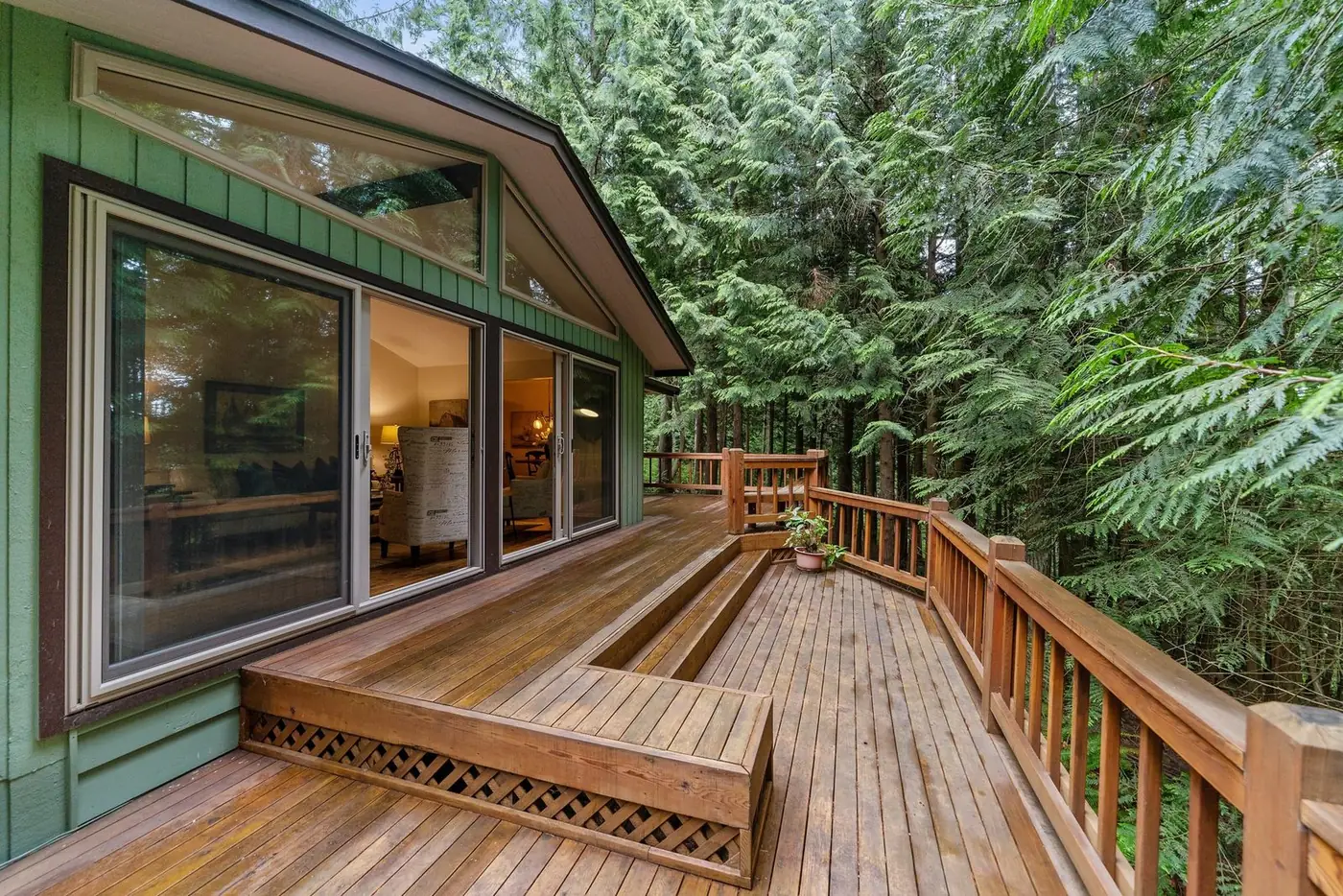
- Pressure-treated southern yellow pine is the standard Georgia deck wood: cheapest, strong and widely available, but it checks, twists and needs regular staining.
- Cedar is lighter, more stable and naturally attractive, but softer and dearer. Ipe is extremely hard and long-lived, and the most expensive.
- Framing should be treated lumber rated for ground contact wherever it’s near the ground, hard to reach or slow to dry. Check the end tag.
- A wood deck in Georgia commonly lasts 10–20 years on the surface; well-protected framing can last longer. Maintenance makes the difference.
- Typical North Atlanta installed ranges: treated pine $35–55 per sq ft, cedar $45–65, ipe $75–110.
Best wood for a deck: the main options compared
Around North Atlanta, almost every wood deck is built from one of three materials. Redwood is lovely but rarely stocked here and expensive to ship, so we leave it out. Here’s how the realistic choices compare.
| Pressure-treated pine | Cedar | Ipe | |
|---|---|---|---|
| Typical installed cost (North Atlanta) | $35–55 / sq ft | $45–65 / sq ft | $75–110 / sq ft |
| Rot and insect resistance | From chemical treatment | Natural, in the heartwood | Natural, very high |
| Hardness | Moderate | Soft; dents and scratches | Extremely hard |
| Stability | Prone to checking, cupping, twisting | Fairly stable | Stable if end-sealed and fastened well |
| Maintenance | Clean and stain every 2–3 years | Clean and stain every 2–3 years | Oil to keep color, or let it silver |
| Typical surface life in Georgia | 10–15+ years | 15–20 years | 25+ years |
Those lifespans are rough, experience-based ranges, not guarantees. Sun exposure, shade, ventilation and how often the deck is cleaned and sealed swing them a lot.
Southern yellow pine decking (pressure-treated)
Southern yellow pine is the treated lumber you see stacked at every Georgia lumberyard. It’s a group of fast-growing pine species from the Southeast, and it takes preservative treatment well, which is why it dominates deck building in the region. It’s strong, it’s local, and it’s the cheapest way to get a deck.
What to know about treated pine
- It usually arrives wet. Most treated lumber is sold soon after treatment, still heavy with water. As it dries over the following weeks and months it shrinks across its width, so boards are typically installed tight or with a small gap. Our deck board spacing guide covers this.
- It moves. Pine checks (small surface cracks), cups and twists as it dries, especially in Georgia’s sun. Picking straight boards, fastening well and keeping it sealed reduce this.
- It needs finish. Treatment protects against rot and termites, not sun and water. Unprotected pine greys, roughens and splits. A penetrating stain every two to three years keeps it in good shape; see our deck stain colors guide.
- KDAT is an upgrade. Kiln-dried after treatment (KDAT) lumber is dried before it’s sold. It costs more and can be harder to find, but it’s more stable, lighter and can be stained sooner.
- Fasteners matter. Modern copper-based treatments are corrosive to plain steel. Use hot-dip galvanized or stainless fasteners and hardware rated for treated lumber.
Premium-grade pine
Some yards sell select or premium treated decking with fewer knots and straighter grain. It costs a little more and looks noticeably better, and on a deck you’ll see every day, it’s often worth it.
Cedar vs pressure-treated deck
Cedar (usually western red cedar) is the most common upgrade from treated pine. Its heartwood contains natural compounds that resist decay and insects, it’s light and dimensionally stable, and it has a warm reddish color that takes semi-transparent stain beautifully.
Where cedar wins
- Looks. Even grain, rich color and no green or brown treatment tint.
- Stability. Cedar is less prone to the twisting and checking treated pine shows as it dries.
- Weight and workability. Easy to cut and handle, which helps on detailed railings, benches and trim.
Where pressure-treated wins
- Cost. Cedar runs roughly $10 per sq ft more installed in our area.
- Hardness. Cedar is soft. Dog claws, chair legs and dropped grills mark it.
- Ground contact. Only the heartwood is naturally decay resistant, and the sapwood isn’t. Cedar isn’t a substitute for treated framing, posts or anything near the ground.
The common compromise: a treated pine frame with cedar decking and railings. You get the look where you see and touch it, and treated lumber where the structure needs it.
Ipe and other hardwoods
Ipe (pronounced “EE-pay”) is a dense South American hardwood and the best-known premium deck wood. It’s extremely hard, highly resistant to rot and insects, and can last decades as a deck surface. Its density gives it a high fire-resistance rating compared with softwoods, a point some homeowners near wooded lots care about.
The trade-offs
- Cost. Typically $75–110 per sq ft installed in North Atlanta, more than most composites.
- Installation. Every screw hole has to be pre-drilled, cut ends need an end sealer to prevent checking, and blades dull quickly. Many installers use hidden clips designed for hardwood.
- Color. Ipe starts a rich brown and weathers to silver-grey within a season or two unless it’s oiled regularly. Both looks are fine; decide which you want before you buy.
- Sourcing. Ask where the wood comes from and whether it’s certified by a forest stewardship program.
Other tropical hardwoods, such as cumaru and garapa, offer a similar idea at a somewhat lower price, with their own color and stability quirks. Thermally modified wood is another emerging option; ask about local availability and track record before you commit.
Framing: ground-contact vs above-ground treated lumber
No matter what you walk on, the posts, beams and joists of almost every deck in Georgia are pressure-treated southern yellow pine. What matters is the treatment level, which is printed on the tag stapled to the end of each board.
Above-ground vs ground-contact
Treated lumber is graded by use category under the American Wood Protection Association (AWPA) standards. Above-ground lumber (often labeled UC3B) carries less preservative and is meant for parts that dry out quickly and are easy to replace, like deck boards and railings. Ground-contact lumber (UC4A, and UC4B for heavier duty) carries more preservative and is meant for wood in or near the soil, or that stays damp.
What to use where
- Posts: ground-contact rated, always. Even posts on a concrete footing sit close to the soil and wick moisture.
- Joists, beams and ledgers: the AWPA standard calls for ground-contact lumber when framing is close to the ground, poorly ventilated, hard to reach for maintenance or likely to stay wet, including under a deck where debris collects. That describes many North Atlanta decks, so a lot of builders, us included, simply frame with ground-contact lumber throughout.
- Decking and railings: above-ground rated is normally fine, because these parts are exposed, dry quickly and can be replaced.
Your inspector and the end tag have the final say. If you’re buying lumber yourself, read the tag, not the bin label. Add joist tape on top of joists and beams to keep water out of fastener holes, especially under composite or tightly gapped boards. Size the framing with the joist span calculator and footings with the footing calculator.
How long does a wood deck last?
Most wood decks in Georgia need serious work, or replacement, somewhere between 10 and 25 years. Where yours lands depends on a few things more than the species:
How long does a pressure-treated deck last?
Treated pine deck boards commonly last 10–15 years in full sun, and longer when kept stained and clean. The framing can last considerably longer if it’s ground-contact rated, taped, ventilated and attached with a flashed ledger. Plenty of 1990s decks around Roswell are being replaced not because the wood rotted everywhere but because the ledger, posts or footings were never right. See deck replacement for what we look at.
What shortens a deck’s life in North Atlanta
- Shade and humidity. Decks under heavy tree canopy stay damp, grow mildew and rot faster.
- Debris in the gaps. Leaves and pine needles packed between boards hold water against the joists.
- Skipped maintenance. Unsealed pine in hard summer sun checks and splits quickly.
- Low clearance. Decks close to damp red clay with little airflow underneath.
Regular washing, re-staining on schedule and occasional repair and maintenance will add years. Not sure if yours is past saving? Try the repair-or-replace checklist.
Choosing the best wood for your deck
- Best value: premium-grade treated pine on ground-contact framing, stained on a schedule.
- Best looks for the money: cedar decking and rails on a treated frame.
- Longest-lasting wood surface: ipe or another dense hardwood, if the budget allows.
- Least maintenance: not wood at all. If you don’t want to stain every few years, look at composite or PVC decking instead.
If your neighborhood has an HOA, check whether it limits deck materials or stain colors before you buy. Our custom decks page covers how we plan materials with you, and the deck cost calculator compares species side by side for your deck size.
Questions about choosing deck wood
What is the best wood for a deck?
For most Georgia homeowners, pressure-treated southern yellow pine offers the best value, cedar the best looks for a moderate price, and ipe the longest life and highest price. All three should sit on a pressure-treated frame rated for ground contact where needed.
Is cedar better than pressure-treated wood for a deck?
Cedar looks better, is more stable and is naturally rot resistant in its heartwood, but it’s softer and costs more. Treated pine is harder, cheaper and better for structure. Many decks use both: treated framing with cedar boards and rails.
How long does a pressure-treated deck last?
The boards commonly last 10–15 years in Georgia sun, more with regular cleaning and staining. Framing built with ground-contact lumber, joist tape and a flashed ledger can last considerably longer. Shade, debris and skipped maintenance shorten both.
Should deck joists be ground-contact treated?
Often, yes. Industry standards call for ground-contact lumber when framing is near the ground, poorly ventilated, hard to maintain or likely to stay damp, which covers many decks. Posts should always be ground-contact rated. Check the end tag and ask your permit office if unsure.
Is ipe decking worth the cost?
If you want real wood that lasts for decades and you plan to stay in the house, it can be. It costs roughly double treated pine installed, needs careful installation, and will turn silver unless oiled. If low maintenance is the main goal, composite or PVC may suit you better.
Related pages
Services
Calculators
Guides
Areas we serve
- Deck building in Roswell, Alpharetta, Johns Creek and every North Fulton service area
Stop staring at that tired old deck. Let’s draw something better.
Free in-home consultation. Honest material guidance. A clear, fixed-price quote you can take to the bank — usually within 48 hours of our visit.
Mon–Fri 7a–6p · Sat 8a–4p · Real local crews · No call centers