Covered Deck Ideas: Roof Styles, Framing and Real Costs
The best covered deck ideas start with one choice: a solid roof that keeps out rain, or a lighter cover such as a louvered pergola or shade sail that mainly blocks sun. A solid roof over an existing deck in North Atlanta very roughly runs $25–60 per square foot, and it usually means stronger posts and footings under the deck, not just a roof on top.
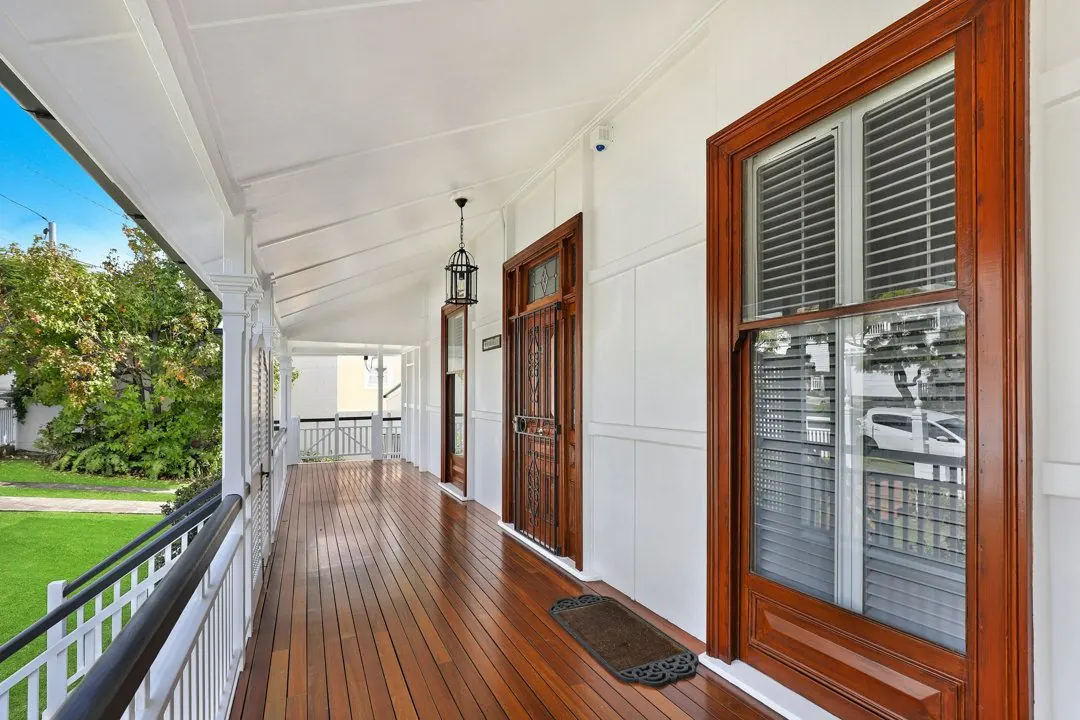
- Shed roofs are the simplest and cheapest roof over a deck; gable roofs feel tall and airy; hip roofs look built-in and handle wind well but cost the most to frame.
- A solid roof stops rain. Louvered covers can open and close. Shade sails and pergolas only cut sun.
- How the new roof ties into your existing roof drives cost and leak risk more than the roof style itself.
- Most existing decks were not framed for a roof. Expect new or upgraded posts, beams and footings.
- A roofed cover over an existing deck very roughly costs $25–60 per sq ft in North Atlanta; treat that as a planning range, not a quote.
Why cover a deck in North Atlanta
An open deck facing south or west around Roswell or Alpharetta is close to unusable on a July afternoon. Dark composite boards get hot enough to be uncomfortable barefoot, and even with a table umbrella the glare off the house is hard to escape. Then the afternoon thunderstorm rolls through and everyone heads inside.
A cover fixes both problems, and it adds a few things people don’t expect: furniture and cushions last longer out of the sun and rain, the decking under the roof weathers far more slowly, and you can add a ceiling fan, lights and even a TV. Many covered decks also become the first step toward a screened porch, since the roof is the expensive part.
There are trade-offs worth weighing early. A roof darkens the rooms behind it, and a shaded deck under a heavy tree canopy can stay damp, which invites mildew on ceilings and boards. Good layout (where the roof starts and how high it sits) handles most of this.
Roof over deck: shed, gable or hip
Shed roof
A shed roof is a single slope, usually running down and away from the house. It is the simplest to frame and often the least expensive. The catch is height: the high side must attach to the house below the existing eave or tie into the roof above it, and the low side still needs comfortable headroom. On a one-story ranch or under second-floor windows, there may not be enough wall to get a decent pitch. Asphalt shingles generally need a minimum slope (with extra underlayment on low slopes), while some metal roofing panels are rated for flatter pitches, so the roofing material and the pitch get chosen together.
Gable roof
A gable roof has two slopes meeting at a ridge, with a triangular end facing the yard. It is the classic “porch” look, and it can feel tall and open, especially with a vaulted tongue-and-groove ceiling following the rafters. It costs more than a shed roof, and where it meets the main roof it creates valleys that need careful flashing. On two-story homes, a gable often fits more easily than a shed because it doesn’t need as much wall height.
Hip roof
A hip roof slopes down on all sides. It looks the most like it was always part of the house, matches many traditional homes in North Fulton subdivisions, and its shape handles wind well. It is also the most complex to frame and roof, so it usually lands at the top of the cost range.
Flat and low-slope roofs
A nearly flat roof with a membrane can work on modern homes or under second-story windows, and it can even double as a walk-out deck above with the right design. It needs careful drainage. Under oaks and pines, leaves and needles pile up on low-slope roofs and clog drains, so plan on regular cleaning.
Deck cover options: solid, louvered or shade sail
Not every deck cover needs a shingled roof. Here is how the main options compare.
| Cover type | Rain | Sun | Typical North Atlanta cost | Notes |
|---|---|---|---|---|
| Solid roof (shingle or metal) | Yes | Full shade | Very roughly $25–60 / sq ft over an existing deck | Can add ceiling, fan, lights; can be screened later |
| Aluminum louvered pergola | Yes, when closed | Adjustable | About $15,000–40,000+ | Built-in gutters; motor options; pollen collects on louvers |
| Wood pergola | No | Filtered | About $4,000–12,000 | Add a canopy or vines for more shade |
| Pergola with clear panels | Yes | Little shade unless tinted | Pergola cost plus panels | Panels show pollen and leaves; can trap heat |
| Shade sail | No | Good | Usually the lowest cost | Needs strong anchor posts; take down for storms |
For a deeper comparison of open structures, see our guide to pergola vs gazebo, which also covers louvered pergolas and pavilions.
A note on shade sails
Shade sails are inexpensive and good-looking, but they pull hard on their anchors in wind. Fastening one to a deck railing post or to a gutter fascia is a common way to damage both. They need dedicated posts set in concrete or anchors into solid framing, and taking them down ahead of big storms.
Tying into the existing roof
Where the new roof meets the house is where leaks start, and it often decides the roof style for you.
- Below the eave: a ledger on the house wall carries the new roof. Simple and well-sealed when flashed properly, but it needs enough wall height for a good slope.
- Into the roof plane: the new rafters tie into or over the existing roof so the cover looks like an extension of it. This gives more height and a cleaner look, but means opening up existing shingles and flashing the joint.
- Gable intersection: a gable cover framed into the main roof creates valleys on each side, which need ice-and-water style membrane and careful shingle work.
- Freestanding: the cover stands on its own posts and beams beside the house, with only flashing or a gutter bridging the gap. Useful on brick veneer or where the existing roof is awkward.
Two practical points. First, matching shingles: older roofs fade, so a brand-new matching color may still look different for a few years. Second, gutters: the new roof will dump water somewhere, and in a Georgia downpour that can be right onto deck stairs or a patio. Plan the gutters and downspouts with the roof, not afterward.
Framing the deck for roof loads
This is the part most covered deck ideas online skip, and it is often the biggest line item. A typical deck is designed to carry people and furniture. A roof adds its own weight, plus wind pushing sideways and trying to lift it, and all of that has to go somewhere.
- Posts usually need to run continuously from a footing up to the roof beam. Setting a roof post on top of the deck boards, or on a joist, is not a safe load path.
- Footings often need upsizing. Old deck footings, especially from builds where posts were set on a block on top of the red clay, are rarely adequate for a roof. Our footing calculator shows how quickly concrete volume grows with load.
- Uplift connectors tie rafters to beams and beams to posts so the roof can’t lift in a storm.
- The ledger under the deck and any roof ledger on the wall both need to be sound and flashed. Our deck ledger board guide covers what to look for.
If the deck itself is aging, it may make more sense to rebuild it with the roof designed in from the start. Covering a deck that will need replacing in five years means paying for the roof twice. Permit offices in Roswell, Alpharetta and Johns Creek review roofed additions more closely than open decks, and some may want engineered drawings; see our North Fulton deck permit guide.
Ceilings, fans and lighting ideas
Ceiling finishes
Leaving rafters exposed costs least and suits rustic and modern homes. Beadboard or tongue-and-groove ceilings look finished and hide wiring; a painted ceiling keeps the space bright. For ideas, see our guide to porch ceiling ideas. In humid shade, choose finishes that tolerate moisture and keep the space ventilated so ceilings don’t mildew.
Fans, lights and heat
- A wet- or damp-rated ceiling fan is the single best upgrade for a Georgia summer.
- Recessed or flush lights keep the ceiling clean; a pendant or lantern adds character.
- Infrared heaters can stretch the season into late fall and early spring.
- All of these need a licensed electrician and usually an electrical permit.
Keeping the house bright
A deep roof can darken a kitchen or family room. A higher roof, a gable with an open end, or setting the roof back from the windows a few feet all help.
Covered deck cost
Asking the cost to cover a deck is like asking what a kitchen costs, but some planning numbers help. These are typical North Atlanta installed ranges for 2026, not quotes:
- Roofed cover over an existing deck: very roughly $25–60 per square foot of covered area. A 12-by-16-foot cover (192 sq ft) would land somewhere around $4,800–11,500 by that measure, before electrical, ceiling upgrades or deck reinforcement. Complex tie-ins, hip roofs and taller structures push past the top of the range.
- Louvered aluminum pergola: about $15,000–40,000+.
- Wood pergola: about $4,000–12,000.
- Screening in a covered deck later: about $15–35 per sq ft.
- New roofed screened porch: about $90–180 per sq ft.
- Permits and plans: about $250–800.
The biggest swing factors are whether the deck needs new posts and footings, how the roof ties in, roof height, and finish level. To price a new deck with a cover in mind, try our deck cost calculator; if you are leaning toward screens, use the screened porch cost estimator.
Patio cover vs deck cover
A patio cover goes over a slab or pavers at ground level; a deck cover goes over a raised deck. The roof options are the same, but the structure differs. A patio cover’s posts sit on footings beside or through the slab, which is often simpler. A deck cover’s posts must pass through or alongside the deck framing to reach footings, which is why roofed decks cost more to build. Insulated aluminum patio cover panels are a popular low-maintenance option on slabs; on raised decks, a framed roof is more common.
On sloped North Fulton lots, you sometimes get both: a covered upper deck and a dry patio beneath. That works well when the upper deck is made watertight; our guide on under-deck drainage and ceilings explains how.
Covered deck FAQ
How much does it cost to cover a deck?
In North Atlanta, a roofed cover over an existing deck very roughly runs $25–60 per square foot, before electrical work, ceiling upgrades or any reinforcement the deck needs. Wood pergolas are about $4,000–12,000 and louvered aluminum pergolas about $15,000–40,000+. These are planning ranges, not quotes.
Can you put a roof over an existing deck?
Often, yes, but the roof posts need a continuous path to adequate footings, and most decks weren’t built for that. Expect new or larger posts and footings. If the deck is near the end of its life, rebuilding it with the roof designed in is usually smarter.
What is the cheapest way to cover a deck?
A shade sail or a retractable canopy on a pergola costs least, but neither stops rain. For real rain protection, a simple shed roof tied in below the eave is usually the most economical permanent option.
Do I need a permit to cover my deck in Georgia?
A roofed cover attached to the house is generally treated as an addition and needs a building permit, plus an electrical permit for fans and lights. HOA approval is usually separate. Check with your city’s permit office before you design.
Which roof style is best for a covered deck?
It depends on the house. Shed roofs are simplest when there’s enough wall height below the eave. Gables suit two-story homes and give a tall, open ceiling. Hip roofs blend best with traditional hip-roofed houses but cost the most to frame.
Related
- Services: pergolas and covered decks, screened porches, deck replacement
- Tools: deck cost calculator, screened porch cost estimator, pergola and patio cover cost calculator
- Guides: pergola vs gazebo, screened porch ideas, porch ceiling ideas
- Areas we serve: Roswell, Alpharetta, Johns Creek and every North Fulton service area
Stop staring at that tired old deck. Let’s draw something better.
Free in-home consultation. Honest material guidance. A clear, fixed-price quote you can take to the bank — usually within 48 hours of our visit.
Mon–Fri 7a–6p · Sat 8a–4p · Real local crews · No call centers